


Trust Sweet Iron French Link Bauchertrense 16mm
- Regular price
-
169,95 € - Regular price
-
- Sale price
-
169,95 €
Couldn't load pickup availability
Hersteller: Cavalli Group B.V., Van Heemstraweg 25, 6657 KD Boven-Leeuwen, Netherlands, verkauf@cavalli.group
-

Sweet Iron
All listingsSweet Iron bits are made of iron and have a distinctive blue color. Sweet Iron develops surface rust when it comes into contact with (air) moisture, which tastes sweet and naturally stimulates saliva production. The horse will foam more, making it accept the bit better.
-

Inno Sense
All listingsInno Sense bits can be used for all horses and are particularly suitable for young horses and/or horses with sensitive mouths. The plastic used has been declared safe by the FDA (US Food and Drug Administration), meaning that the material contains no plasticizers and is harmless to humans and animals. Inno Sense bits are particularly durable due to the use of a stainless steel core. When using an Inno Sense bit, a trusting, supple contact between the horse's mouth and the rider's hand is created.
-

Leather
All listingsThe leather bits are handmade in the Netherlands by Trust. The core of the bit consists of reinforced nylon. The leather stitched around the core has been tanned naturally, without any chemicals. Saliva makes the leather bit softer and therefore more comfortable for the horse. Thanks to the flexible action combined with the taste of the leather, the bit is exceptionally well suited for horses with a sensitive mouth.


How does Sweet Iron material change over time?
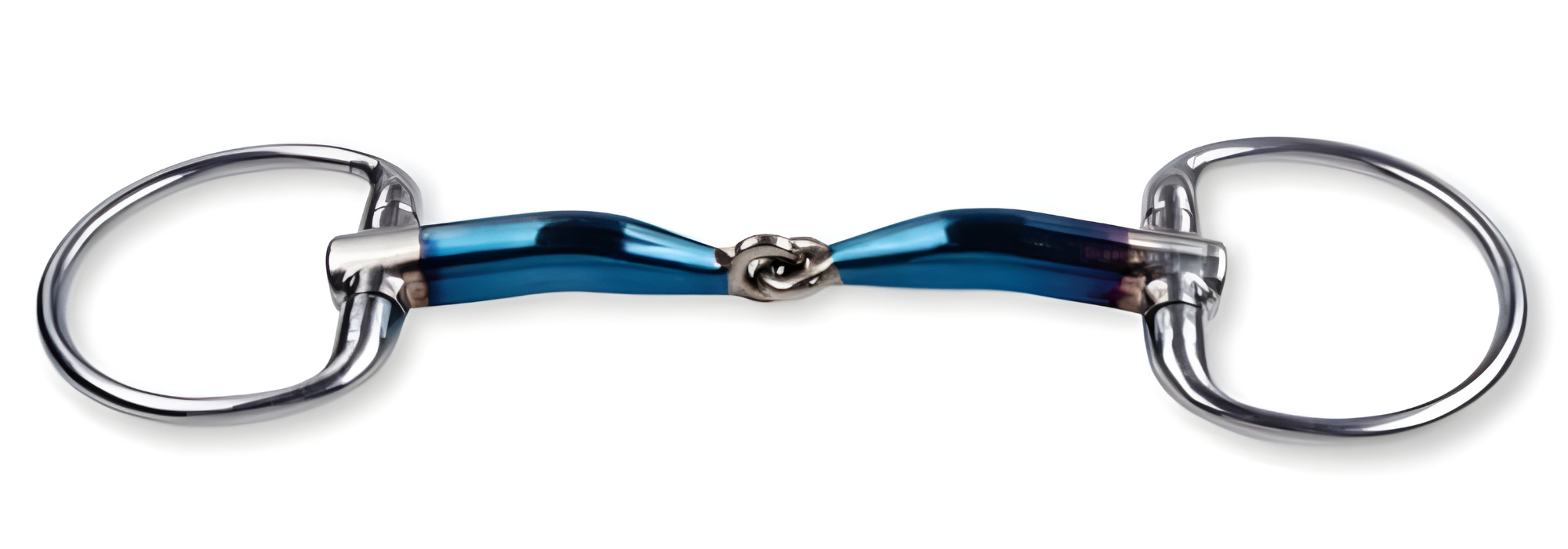
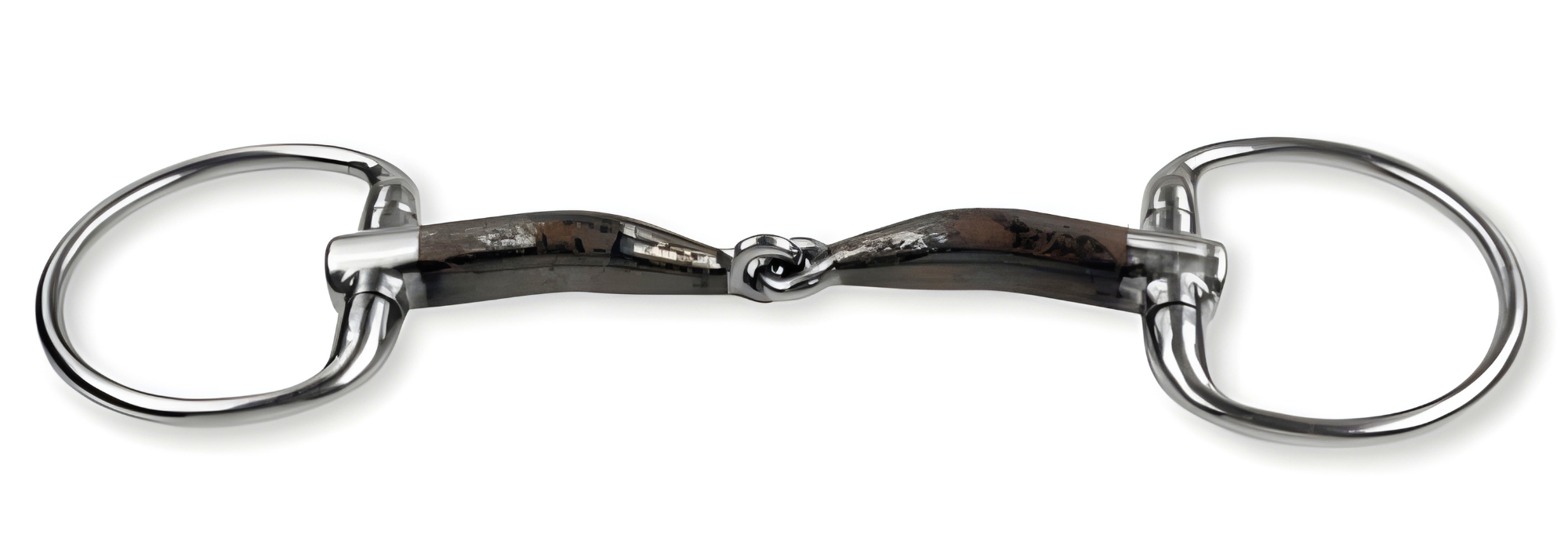
Due to the development of rust (oxidation), the blue color of the TRUST bit changes to gray or brown. The Sweet Iron bit will form a thin orange-brown layer of rust on the mouthpiece when not in use temporarily. This can be easily removed with a damp cloth.
What centerpieces are available for Trust Equestrian Sweet Iron bits?
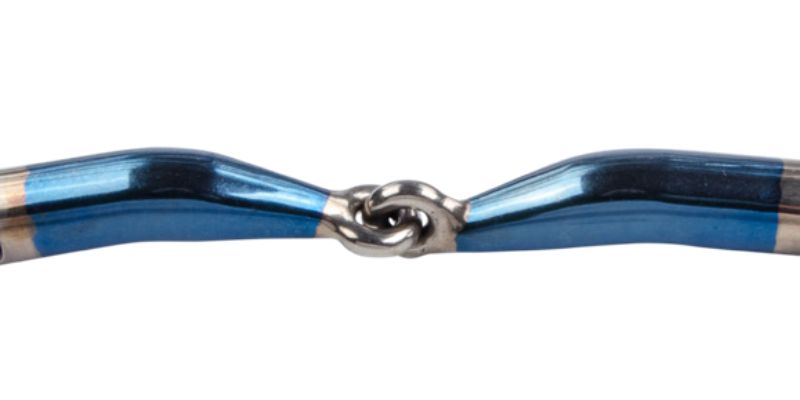
Simply broken
A single-jointed bit has one hinge point, which means less pressure is exerted on the tongue than with a double-jointed mouthpiece. A single-jointed mouthpiece mainly exerts pressure on the bars and the sides of the tongue and can also affect the palate. A single-jointed mouthpiece is considered a standard mouthpiece.

Double broken
A double-jointed snaffle is a standard mouthpiece. This mouthpiece has two joints, is more shaped towards the mouth, and lies a little looser in the horse's mouth. This bit exerts pressure on the tongue, the bars, and the corners of the mouth. Caution with narrow lower jaws! The joint points can press on the bars, which can lead to sores. Compared to a single-jointed bit, this bit exerts more pressure on the tongue.
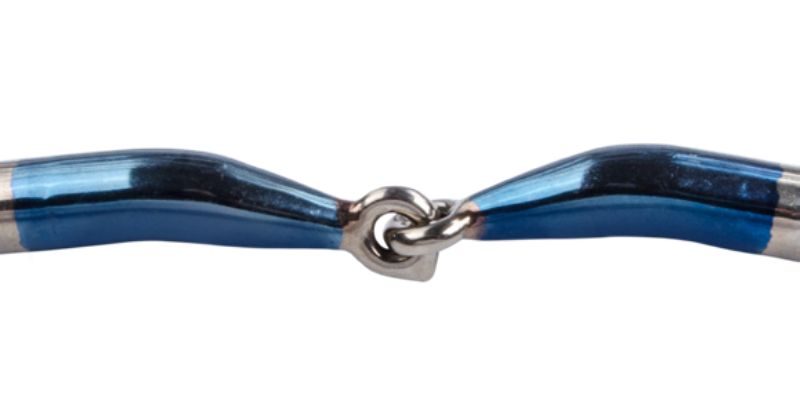
Simply broken locking
The locked mouthpiece is similar to a single-jointed mouthpiece, but it cannot bend as much as a single-jointed bit. When pressure is applied to the reins, the bit locks, becoming a straight bar, which makes it a harsher bit. When less pressure is applied to the reins, the bit reverts to a single-jointed bit. This makes it an ideal bit for horses that lean on the hand.
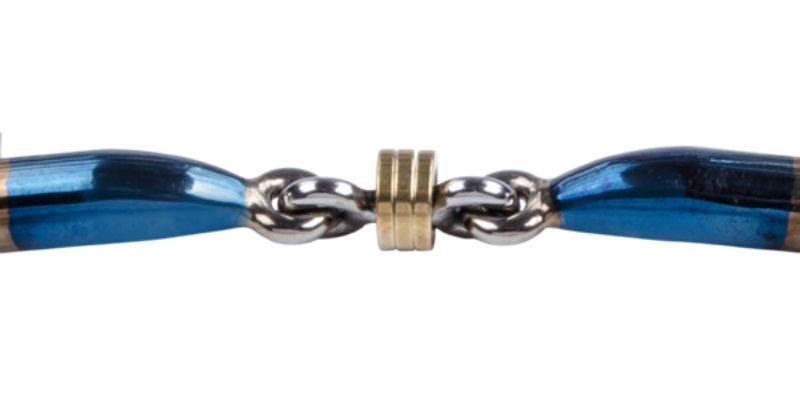
Double-jointed with brass rings
The mouthpiece with brass rings is a variation of the double-jointed bit. The rings in the middle encourage the horse to play with the bit, which increases tongue activity, causing the horse to produce more saliva and allowing the jaw to relax more.
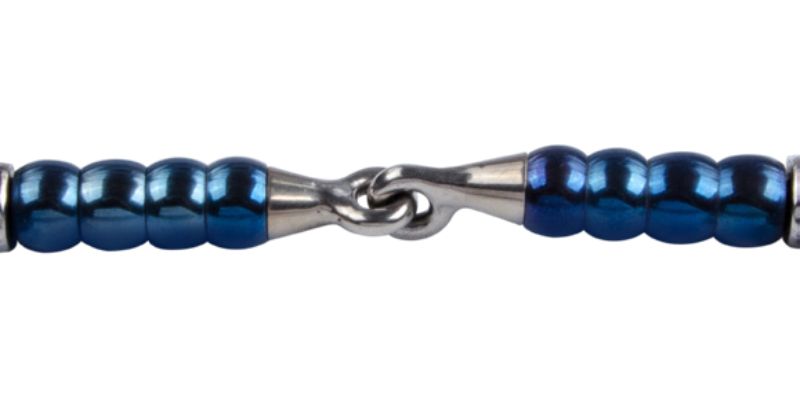
Cherry Roller
The Cherry Roller mouthpiece consists of loose rollers. These rollers prevent the horse from leaning on the bit. Additionally, they can stimulate tongue activity, leading to more saliva production and jaw relaxation. This bit is ideal for horses that lean on the bit or have difficulty concentrating.
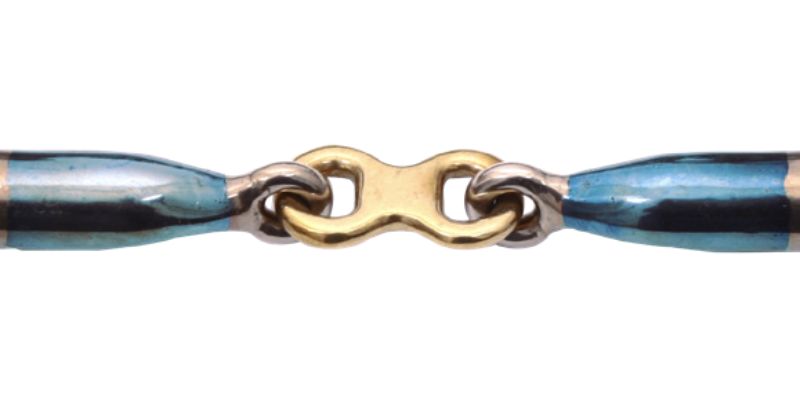
French Link
The French link mouthpiece is a double-jointed mouthpiece with a figure-eight shaped plate in the middle that applies even pressure to the tongue. This mouthpiece has two hinge points, is more shaped to the mouth, and lies a little looser in the horse's mouth.
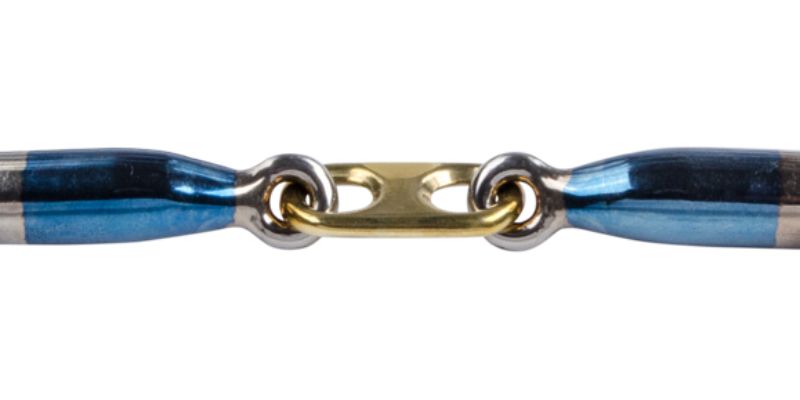
Dr. Bristol
The Dr. Bristol mouthpiece is a double-jointed mouthpiece with a flat center piece. The center plate in a Dr. Bristol is angled and flat-edged. It acts mainly on the tongue with a sharp action due to the straight, angled plate and with a lesser angle on the bars. This bit can be useful for strong horses or those that pull.
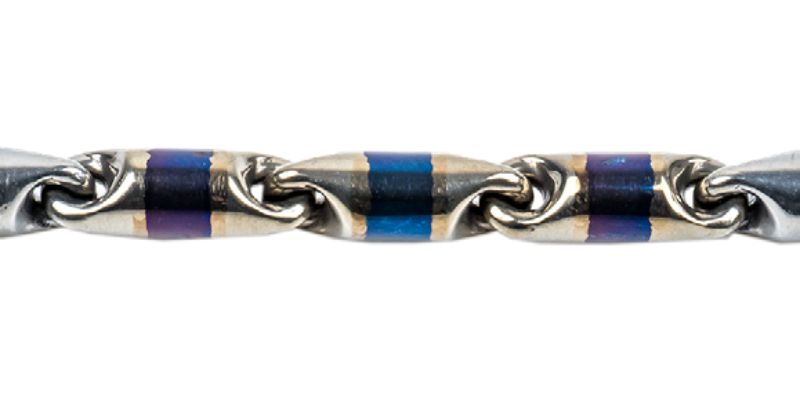
Waterford
A Waterford mouthpiece consists of a series of rounded links. It is a flexible bit that conforms to the horse's mouth and creates even pressure. It can move in all directions, making it difficult for the horse to lean on the bit, allowing the rider to maintain proper control. In soft hands, this mouthpiece is gentle and kind, but with a strong hand, the bit can be sharp.
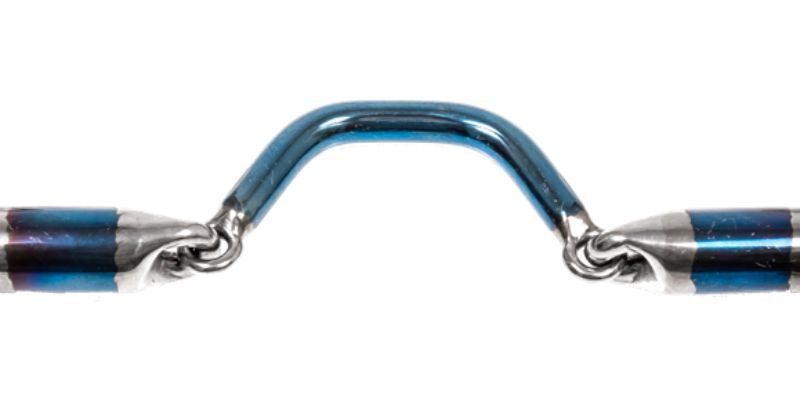
Wideport-Segundo
The Wideport-Segundo is a double-jointed mouthpiece with tongue relief. Unlike other mouthpieces with tongue relief, this mouthpiece can move loosely, creating some lateral flexibility. The tongue relief reduces pressure on the tongue, but it is distributed over the bars. However, there are sharper corners at the tongue relief, creating extra pressure points on the tongue. Since the tongue relief can move, horses generally find it difficult to lean on this mouthpiece.
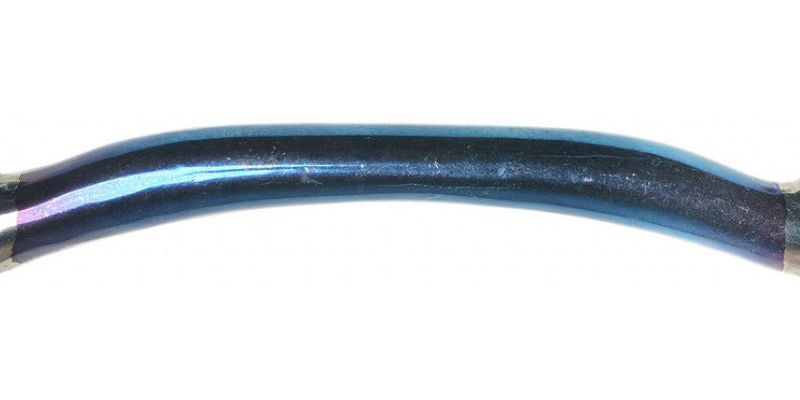
Arched bar
The arched mouthpiece is a straight mouthpiece with a slight curve. An arched mouthpiece is a straight bar that is slightly curved. The arch in the bit provides space for the tongue. This mouthpiece exerts even pressure across the entire tongue. An arched mouthpiece has a sharper effect than a single-jointed or double-jointed mouthpiece.

Low Port / Small tongue relief
This bit is a straight bar with a small port. The port allows the tongue freedom. The port creates space for the tongue and reduces pressure on the center of the horse's tongue. More port is ideal for horses with sensitive tongues or horses that stick out their tongues. This bit is not suitable for inexperienced riders.

Medium Port / medium tongue relief
This is a straight bar with medium tongue relief. Tongue relief allows for freedom of the tongue. Tongue relief creates space for the tongue, reducing pressure on the middle of the horse's tongue. More tongue relief is ideal for horses with sensitive tongues or horses that stick out their tongues. This bit is not suitable for inexperienced riders.
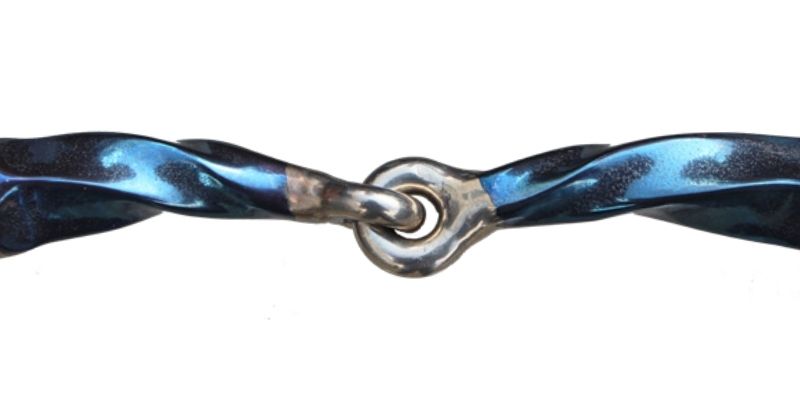
Slow Twist simply broken
The Slow Twist mouthpiece is characterized by its surface structure, created by a slight twist in the material. This texture offers a slightly more noticeable effect than a smooth bit, encouraging horses that tend to lean on the bit or become inattentive to respond more finely to rider aids.
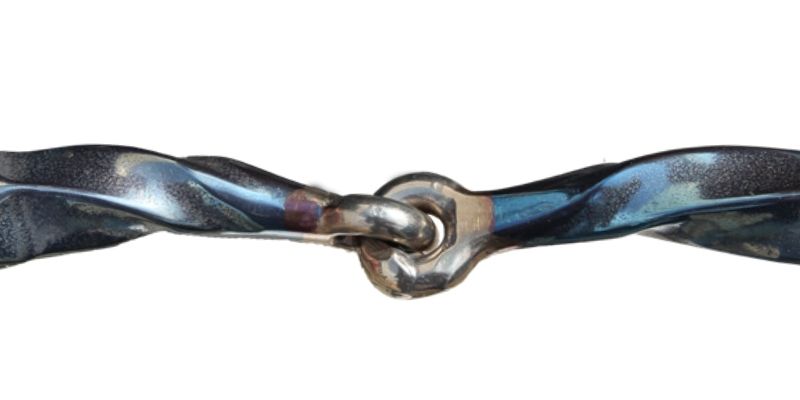
Slow twist, simple snap, locking
This mouthpiece combines the structured effect of the Slow Twist with an intelligent locking mechanism. In its basic position, it acts like a mobile, single-jointed bit with an activating surface structure. However, as soon as the horse works against the hand or offers stronger resistance, the mouthpiece locks into a stable bar. This allows for maximum control in corrective moments without losing flexibility in normal communication.